
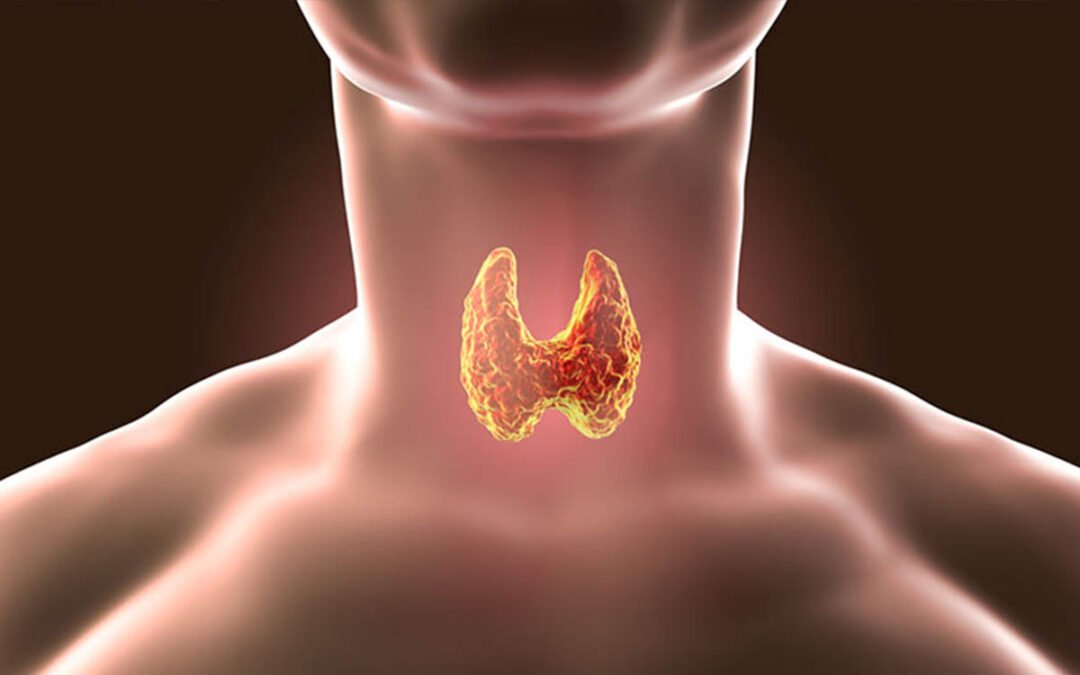
“If your thyroid labs are ‘normal’, but you don’t feel normal” – Here’s What Functional Medicine Looks at That Conventional Care Often Misses
If you’ve been told “your thyroid labs are normal”—but you’re still exhausted, foggy, gaining weight, anxious, or cold all the time—this blog is for you. Functional medicine recognizes what research continues to confirm:
👉 Thyroid dysfunction often exists long before labs fall outside conventional ranges.
1. The Symptom / The Problem
Many people with thyroid dysfunction don’t walk in saying, “I think it’s my thyroid.”
They say things like:
- “I’m exhausted no matter how much I sleep.”
- “I can’t lose weight—even eating clean.”
- “My hair is thinning.”
- “I feel anxious, depressed, or foggy.”
- “I’m always cold.”
- “My labs are ‘normal’ but I feel anything but.”
These symptoms are often dismissed, minimized, or treated in isolation—yet they commonly trace back to suboptimal thyroid function, not overt disease.
2. Why Conventional Answers Fall Short
Conventional medicine typically:
- Screens only TSH
- Uses broad disease-based reference ranges
- Waits until thyroid function is clearly broken
If TSH falls anywhere inside the lab’s “normal” range, patients are often told: “Your thyroid is fine.”
🚨 Here’s the problem:
- TSH does not tell us how much active thyroid hormone is reaching your cells
- It does not show conversion issues
- It does not reveal stress or inflammation blocks
- It does not catch early autoimmunity
Functional medicine doesn’t wait for failure—we look for patterns, trends, and early dysfunction.
3. Root Cause Explanation (Functional Medicine Lens)
Thyroid dysfunction is rarely a thyroid-only problem.
Common root causes include:
- Chronic stress and elevated cortisol
- Poor T4 → T3 conversion
- High Reverse T3 (metabolic braking)
- Nutrient deficiencies (iron, selenium, zinc, iodine, magnesium)
- Gut inflammation or leaky gut
- Immune dysregulation (Hashimoto’s or Graves’)
- Liver congestion (impaired hormone conversion)
In other words: 👉 The thyroid is often the victim, not the villain.
4. System Connections (Why the Thyroid Is Never Alone)
🛑 Stress & Adrenals
Cortisol acts like a brake on thyroid function:
- Suppresses TSH signaling
- Blocks T4 → T3 conversion
- Raises Reverse T3
You cannot heal the thyroid while ignoring stress physiology.
🧠 Gut & Immune System
- ~70% of immune tissue lives in the gut
- Gut inflammation can trigger thyroid antibodies
- Poor absorption = nutrient deficiencies that impair thyroid signaling
🧬 Liver & Detox Pathways
- The liver converts T4 into active T3
- Inflammation, toxins, or nutrient depletion slow this process
👉 Functional medicine always asks: Which system is disrupting the thyroid conversation?
5. Actionable Steps You Can Take Now
Lifestyle Foundations (Non-Negotiable)
- Prioritize sleep (7–9 hours)
- Gentle, consistent movement (not overtraining)
- Daily nervous system regulation (breathwork, prayer, walking, sunlight)
Food as Information
- Protein at each meal
- Mineral-rich whole foods
- Anti-inflammatory diet
- Avoid chronic calorie restriction
Small daily actions compound into hormonal stability.
6. Testing (Functional Approach)
🧪 Key Thyroid Labs to Run
A complete functional thyroid panel includes:
- TSH (optimal: ~1.0–2.0)
- Free T4
- Free T3 (aim upper half of range)
- Reverse T3
- TPO & Thyroglobulin antibodies
💊 Supplement Education (Foundational, Not Band-Aids)
Thyroid support often requires:
- Selenium (for conversion & antibodies)
- Zinc (receptor signaling)
- Iron (T3 effectiveness)
- Magnesium & B vitamins (energy + stress resilience)
- Adrenal support when cortisol is dysregulated
⚠️ Supplements are tools—not substitutes for addressing root causes.
In my practice, I only use practitioner-grade supplements-quality and absorption matter
If you:
- Have persistent fatigue, weight resistance, or brain fog
- Were told your labs are “normal” but feel unwell
- Suspect stress, autoimmunity, or nutrient depletion
Book an Introductory Call with Dr. Dhivya
References
- Biondi B, Cooper DS. The clinical significance of subclinical thyroid dysfunction. Endocr Rev. 2008. PMID: 18372457
- Fasano A. Leaky gut and autoimmune diseases. Clin Rev Allergy Immunol. 2012. PMID: 22109896
- Bianco AC, Kim BW. Deiodinases: implications for thyroid hormone metabolism. Endocr Rev. 2006. PMID: 17016550
- Spiegel K et al. Sleep loss and endocrine function. Lancet. 1999. PMID: 10475186
